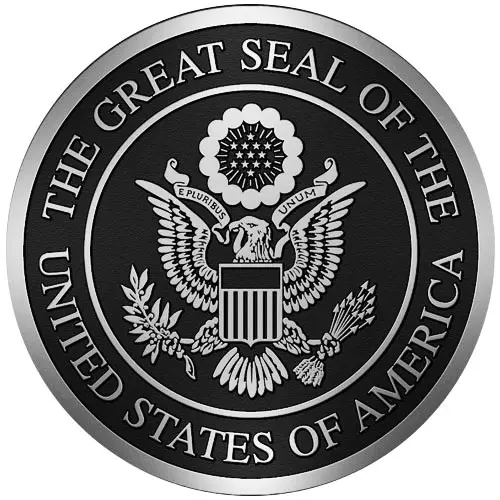
When entering a federal courthouse, military installation, or executive department headquarters, visual architectural elements set an immediate tone of authority and public trust. For decades, federal facilities across the nation have relied on permanent bronze architectural elements to project power, history, and constitutional duty. Among the most iconic commitments to public honor are custom cast metal bronze government seal plaques. These high-profile emblems serve as the literal face of democratic governance, greeting foreign dignitaries, military personnel, and everyday citizens with unmatched architectural grandeur. Beyond mere decorative embellishment, a custom-cast seal represents an unbroken lineage of public service and institutional integrity. Installed at exterior entryways, courtroom walls, or main building rotundas, cast metal bronze government seal plaques establish an unquestioned sense of institutional authority that temporary signage or synthetic materials simply cannot replicate.
 Unmatched Craftsmanship and Durability
The physical environment surrounding municipal and federal buildings demands architectural elements capable of withstanding extreme weather, seasonal temperature shifts, and heavy public exposure over multiple generations. Cast bronze is uniquely suited for these rigorous conditions due to its high copper content and natural resistance to structural degradation. Premium cast metal bronze government seal plaques are manufactured using time-tested foundry techniques, combining traditional sand or lost-wax casting methods with modern precision engineering. Once poured and cooled, each bronze plaque undergoes hand-finishing, meticulous hand-painting, and the application of protective fluoropolymer or clear acrylic sealants. Whether mounted on the granite exterior of a coastal naval facility exposed to saltwater air or placed in a high-traffic downtown atrium, cast metal bronze government seal plaques maintain their crisp relief lines and rich finish without cracking, rusting, or deteriorating.
Precision Design and Customization Options
Federal, state, and military insignias are governed by strict heraldic guidelines that require accurate translation from official graphic files into three-dimensional metal forms. Modern casting foundries excel at converting complex agency logos into sculpted, high-relief artwork that highlights delicate feathering on national eagles, intricate typography, individual stars, and fine geometric borders. Agencies can choose from various background textures—such as stippled, pebbled, or leatherette—and custom patina finishes ranging from deep dark brown to warm statuary bronze. Precision-polished raised highlights create dramatic visual contrast against recessed background textures, making official agency heraldry easily legible from significant distances. Furthermore, custom border designs, varied relief depths, and specialized protective coats allow each agency to tailor the final plaque to complement historic granite facades or contemporary modern architecture seamlessly.
Secure Mounting and Regulatory Compliance
Architectural signage installed on public property must satisfy stringent structural safety, security, and federal procurement standards. Custom bronze seal plaques are engineered with specialized mounting hardware—including blind-threaded studs, tamper-proof security anchors, and flush-mount masonry inserts—that prevent theft, vandalism, or accidental dislodging. This structural stability ensures that heavy metal emblems remain permanently secured to stone, brick, precast concrete, or wood paneling without compromising the host wall structure. Additionally, federal purchasing departments frequently mandate strict adherence to domestic manufacturing standards, such as the Buy American Act. Domestic bronze foundries provide fully compliant American-poured metal products, simplifying federal procurement procedures while supporting American industrial craftsmanship. This combination of structural security, physical safety, and procurement compliance makes bronze the preferred choice for facility managers.
A Lasting Investment for Federal Infrastructure
While initial procurement costs for custom-poured metal plaques are higher than synthetic or light-gauge sheet metal alternatives, bronze offers an unbeatable long-term return on investment through sheer lifespan. Synthetic signs suffer from sun fading, peeling, and brittleness, requiring frequent restoration or total replacement every few years. In contrast, a professionally finished bronze seal lasts for centuries with minimal maintenance, requiring only periodic cleaning with mild detergent and an occasional coat of protective paste wax.…

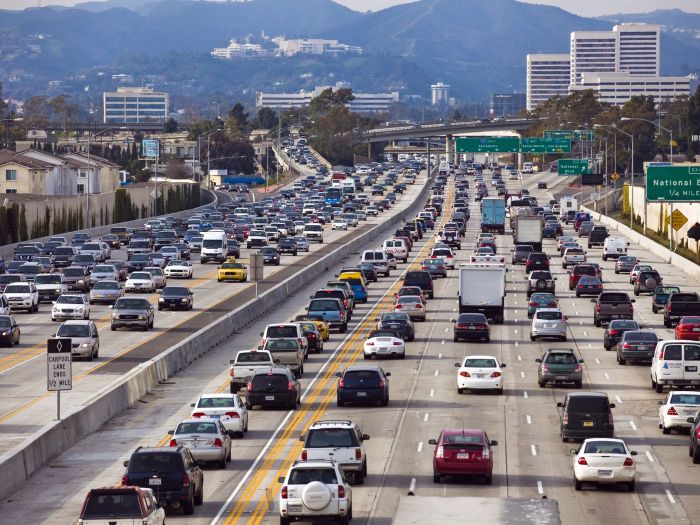 Making the transition from the bustling streets of New York City to the sprawling metropolis of Los Angeles can be both exciting and daunting, especially when it comes to navigating the vast urban landscape. One of the most significant adjustments for newcomers is figuring out how to get around in a city renowned for its expansive highways and notorious traffic congestion. Fortunately, Los Angeles offers a diverse array of transportation options tailored to suit every commuter’s needs. Let’s explore some of the best ways to navigate the City of Angels after bidding farewell to the Big Apple.
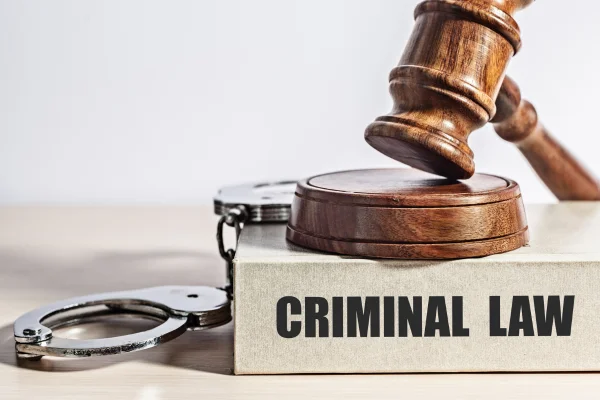 When facing legal challenges in the realm of criminal law, the expertise of a seasoned Hackensack criminal attorney can prove invaluable. Criminal cases are intricate, often involving intricate legal procedures, potential consequences, and complex evidence. With the guidance of a skilled attorney, you gain more than just legal representation – you gain an advocate who understands the nuances of the law and is dedicated to safeguarding your rights.